Meet Our Faculty
Our faculty members are committed to advancing knowledge and fostering practical solutions to prevent violence. Each team member brings unique expertise and passion to our mission.
Explore our team’s profiles to learn more about their roles, research interests, and contributions to the field.
EXECUTIVE COMMITTEE
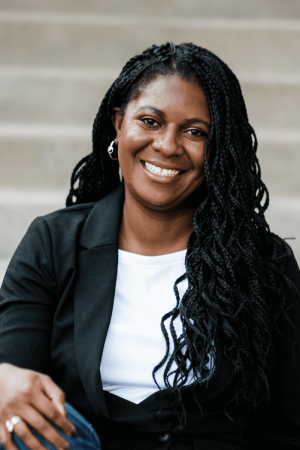
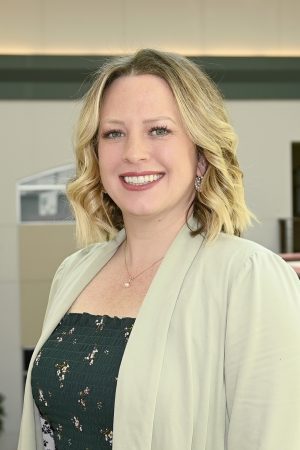
Dr. Alexander is an Associate Professor and Metrolina Distinguished Scholar in the Department of Health Management and Policy. Her expertise includes interpersonal and sexual violence, sexual offending, system-involved youth, trauma-informed care, and culturally responsive practice.
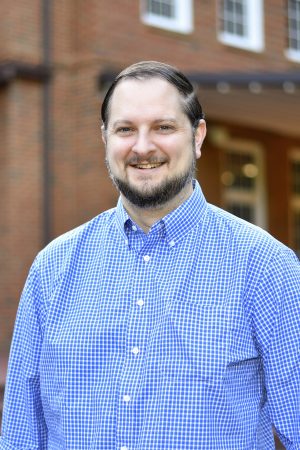
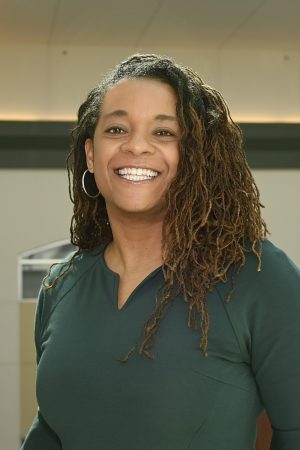
Dr. Cramer is a Professor and the Belk Distinguished Professor in Health Research in the Department of Epidemiology and Community Health. His expertise includes suicide prevention, violence prevention (e.g., gun violence), sexual and gender minority health, individual differences (e.g., coping, self-efficacy), and survey design/scale development.
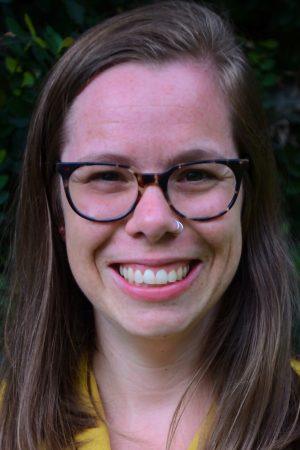
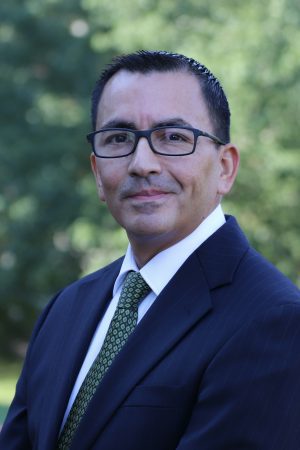
Dr. Mennicke is a Professor in the School of Social Work. She has expertise in mixed methods research and violence prevention theory and intervention evaluation, particularly sexual assault and bystander intervention among sexual and gender minorities.
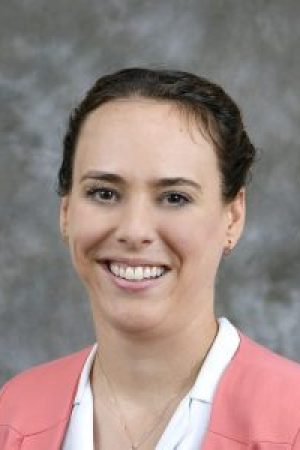
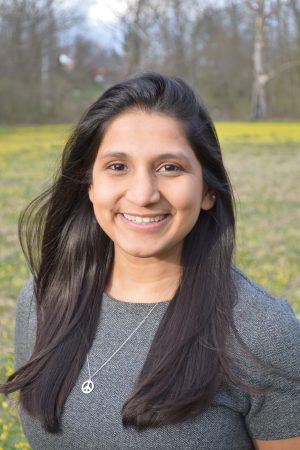
Dr. Montanaro is an Associate Professor in the Department of Psychological Science. Her research broadly focuses on understanding how people can successfully initiate and maintain new health behaviors (e.g., sexual health, alcohol use). She also has methodological expertise in advanced quantitative analytics (e.g., longitudinal structural equation modeling).
Core faculty
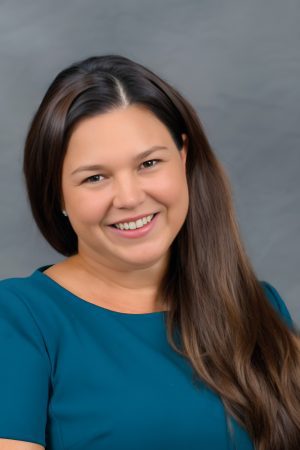
Dr. Cannon is an Assistant Professor in the Department of Communication Studies. She uses predominantly quantitative methods to examine persuasive messages in complex health contexts; within which ambiguity and multiple stigma present challenges to effective communication. Her work bridges theory in disciplines of intergroup interaction and overcoming resistance to persuasion.
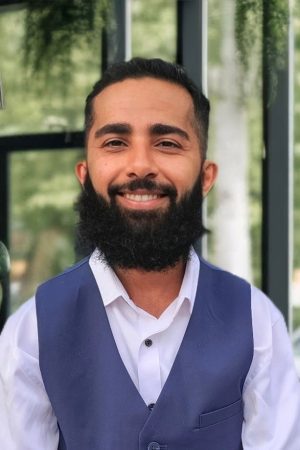
Braveheart Gillani is a scholar, practitioner, and engineer whose work bridges disciplines and communities to address systemic violence, foster a sense of belonging, and advance climate and social justice. With over a decade of engineering experience in the global energy industry and expertise in social work and community-based system dynamics, he brings a systems-oriented perspective that integrates micro-level lived experiences with macro-level structural and environmental change.
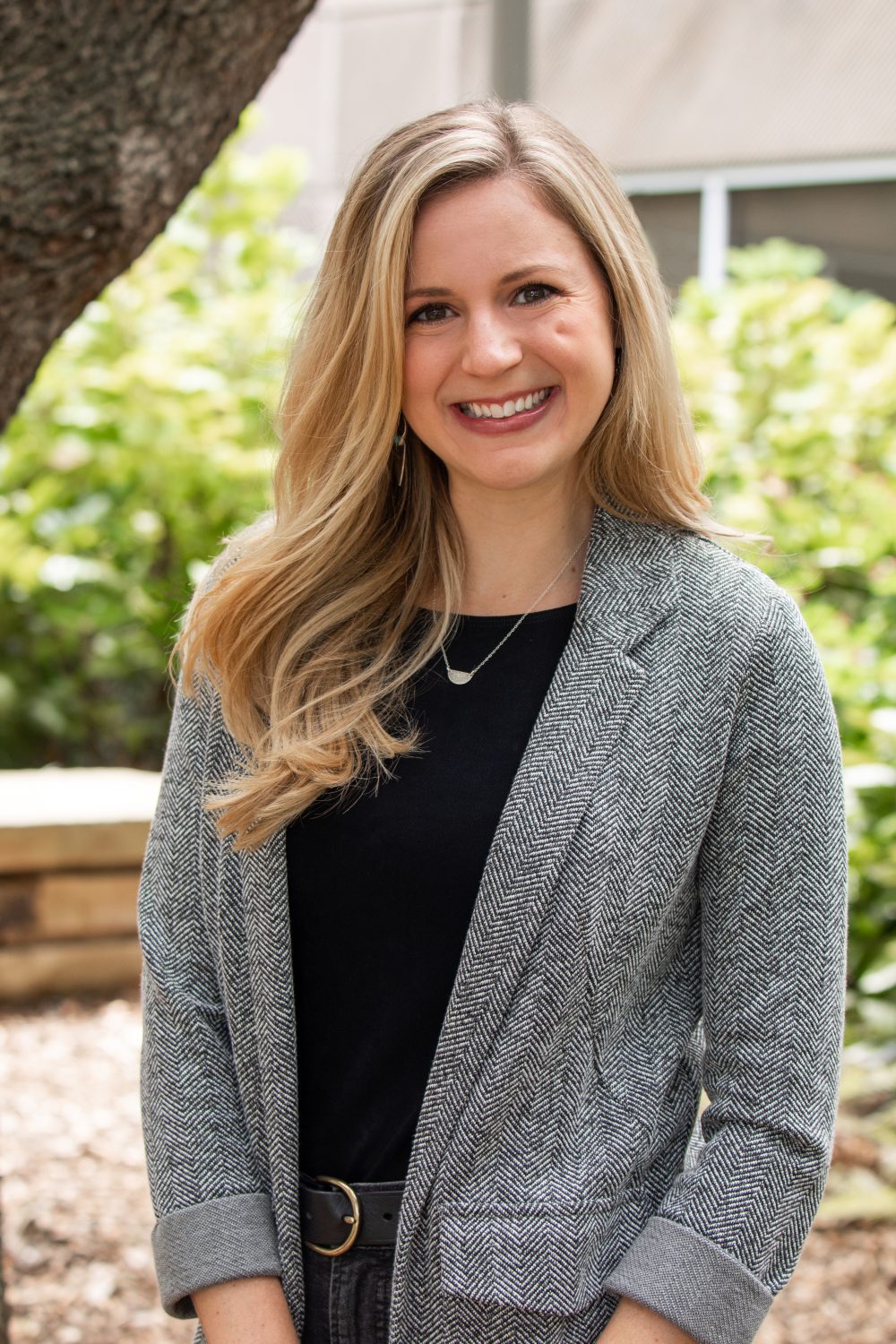
Dr. Harris is an Associate Professor in the Department of Criminal Justice and Criminology. Her expertise includes the intersections of mental health and victimization, mental health and criminological processes (e.g., offending, bystander intervention, risk recognition), resilience, biopsychosocial correlates of victimization (e.g., traumatic brain injury, psychopathy), and advanced quantitative and experimental methods.
Dr. Shelley Johnson teaches both graduate and undergraduate classes on the topics of Criminological Theory, Institutional Corrections, Community Corrections, and Treatment and Rehabilitation.
Her research is geared towards the identification and development of effective interventions within a variety of correctional settings. Specifically, the development of best practices with offenders, primarily based on social learning theories. Dr. Johnson recently examined the salience of strain theory in examining re-entry outcomes among a sample of formerly incarcerated individuals and is currently working to examine the impact of trauma on juveniles. Dr. Johnson has served as a consultant to local, state, and federal agencies on the topic of assessment, treatment, and quality assurance within both institutional and community based programs.
Dr. Moxie is an Associate Professor in the Department of Epidemiology and Community Health. Her expertise includes sexual and gender minority populations, resilience, subjective experiences of sexual health, and qualitative methods (e.g., photo-elicited interviews).
Dr. Ricciutti is an Assistant Professor in the Department of Counseling. She has expertise in addiction counseling and how substance use can both lead to and stem from violent situations. She also developed the Community Readiness Instrument (CRI) to determine readiness to address systemic substance use and provide communities with guidance toward creating successful change efforts.
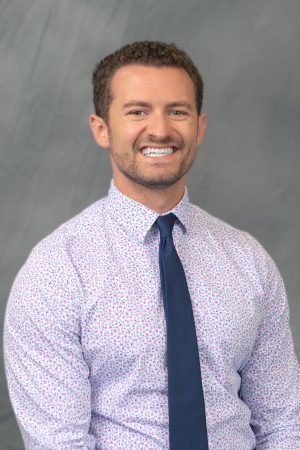
Dr. Travis Scheadler is an Assistant Professor in the School of Social Work at University of North Carolina at Charlotte. His research broadly focuses on activism, mental health, community connectedness, and identity development among LGBTQ+ populations, athletes, and coaches. Currently, he is (a) leading efforts related to suicide prevention among LGBTQ+ adults in recreational sport spaces and (b) exploring the experiences of LGBTQ+ political candidates.

Dr. Shue-McGuffin is the Doctor of Nursing Practice Coordinator and Clinical Associate Professor in the School of Nursing. She is a board-certified family nurse practitioner with expertise in the unique challenges of primary care and community health; she also regularly participates in anti-human trafficking legislative advocacy.

Dr. Zarwell is an Associate Professor in Public Health Sciences and the Director of Preventive Health projects at the Academy for Population Health Innovation (APHI). Her expertise includes HIV prevention, sexual and gender minority health, community-engaged research, and implementation science.
Affiliate Faculty